
Friday, 22 October 2010

Pinhole Camera

How We Created Our Pin-hole Camera
- We first had to eat all of the pringles.
- The we made sure that the inside of the pringles tube was 'light-tight' by painting the inside of it black.
- The inside of the tube then had to be dryed.
- We then gave it a secound coat of paint and dryed it for the last time. (so it was completely black)
- Then it was time to make the main part of the pin-hole camera, which was the hole which we had to cut out half-way down our pringles tube/container, this hole then had to be sealed using cling-film.
- The card-board flap was then built so we could distinguish a way of letting the light in and stopping it getting in our pringles tube. A piece of gaffa tape was attached to it for easy open/close.
- A tiny hole was cut into the tin-foil (pin-hole).
- Before we could begin taking pictures with our home-made camera we had to load the camera with photographic paper, we had to place it inside the tube with the shiney side facing the pin-hole.
- Finally we sealed up the lid with even more gaffa tape. This had to be done everytime we wanted to take a new image/ re-load our camera.
Wednesday, 20 October 2010
Pinhole Images
 |
| Here is my inside image , it was taken at a 2min 45sec exposure |
 |
| Here is my outside image, it was taken at a 2.5sec exposure |


Friday, 1 October 2010
Photography (Pinhole)
Photography (Pinhole)
(pronounced
Genres Of Photography
·
 |
| Paparazzi Example: Paparazzi images are usually very unexpected pictures being taken of celebritys, most celebritys feel that they invade their personal space (which is why they have body guards). |
 |
| Fashion Example: Fashion photography is where fashion designers show off their creations by using models to pose in their outfits, it also shows latest trends. |
 |
| Landscape Example: Landscape images are very appealing to the eye, they show sceneary usually of wide open areas. |
Camera
is a device that records images, either as a still photograph or as moving images known as videos or movies. The term comes from the
Shutter
In
2,4,8,15,30,60,125,250,500 and 1000
Aperture
In
Lens
The of a camera captures the light from the subject and brings it to a focus on the film or detector.
Exposure Control
The size of the aperture and the brightness of the scene controls the amount of light that enters the camera during a period of time, and the
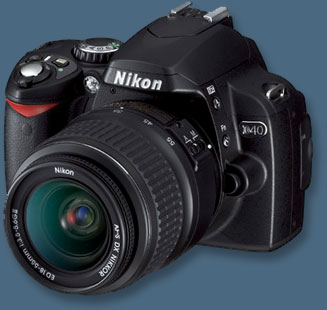 |
| Camera |
Shutter
In
 |
| Camera Shutter Speeds |
Aperture
In
Lens
The of a camera captures the light from the subject and brings it to a focus on the film or detector.
 |
| Camera Lens |
Exposure Control
The size of the aperture and the brightness of the scene controls the amount of light that enters the camera during a period of time, and the
Subscribe to:
Posts (Atom)